
InnerTrek Level 2:
Psychedelic Facilitator Training Program
Details Structure Dates Curriculum Instructors Tuition FAQ Watch Open House Apply
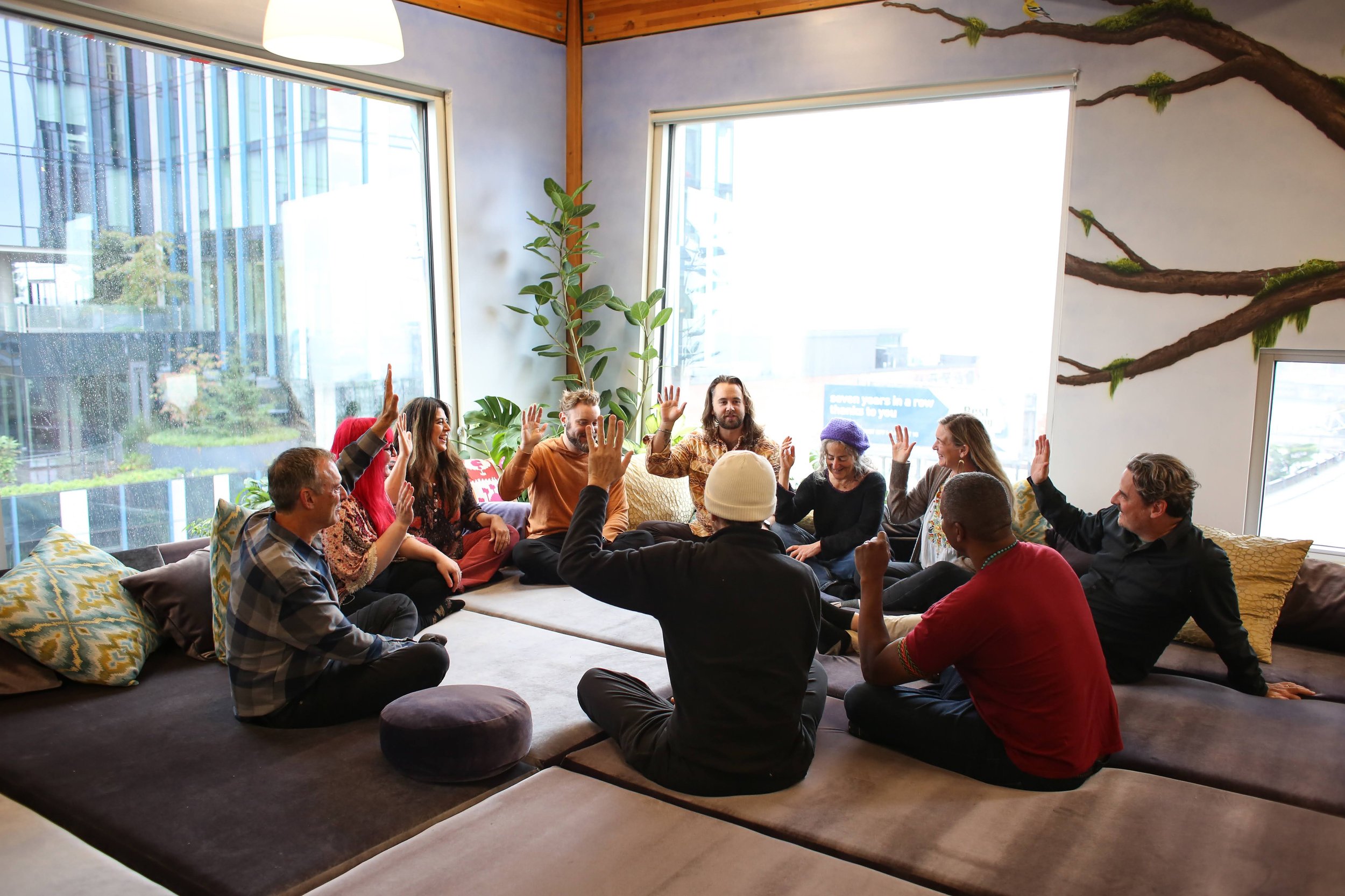
InnerTrek’s training program prepares students to practice to the highest standards within the new paradigm of psychedelic care.
InnerTrek’s program is approved by the Higher Education Coordinating Commission (HECC), the Oregon Health Authority (OHA), and the Colorado Department of Regulatory Agencies (DORA).
InnerTrek’s 7-month program meets requirements for psilocybin / natural medicine facilitator licensure in Oregon and Colorado and aligns with evolving standards of training within emerging state-regulated models.

Featured In






About the Program
InnerTrek was founded by the architect of the first legal, publicly available psychedelic care model in the United States (Oregon, 2020). Our program offers over 160 hours of didactic training and 40 hours of supervised practicum, meeting and exceeding Oregon and Colorado requirements.
The curriculum covers the fundamentals of psilocybin care. All students participate in a hybrid model that includes online learning and an option to join in-person intensives held near Portland, Oregon. Practicums take place at InnerTrek’s licensed psilocybin service center in Portland, Oregon and at our partner healing center, ETC Hospitality, in Golden, CO .
This training is designed to be immersive, relational, trauma-informed, and grounded in a community-based learning environment.

Core Training Components
Interactive online education
Small group “home groups”
Skills practice groups
Option to join 3 in-person weekend intensives outside of Portland, OR
Guest expert lectures
Supervised experiential practicum
Office hours
Integrated social activities throughout the program

Eligibility:
InnerTrek uses a comprehensive admissions process to assess each applicant’s readiness, background, and alignment with the field.
Strong applicants often include:
Clinicians and healthcare professionals
Therapists, counselors, and social workers
Alternative healers and wellness practitioners
Individuals with meaningful personal or professional experience in space holding
We welcome applicants from diverse backgrounds and pathways. Residency in Oregon or Colorado is not required.
We encourage early application for priority consideration.
*Note: Level 1 Training is not a prerequisite for applying to Level 2
Watch our July 29, 2026 Open House
Program Structure

In-Person Intensives
In-person intensives focus on hands-on practice of facilitation skills and building community within the cohort and psychedelic ecosystem. InnerTrek’s Lead Education team guides learning of preparation, administration, and integration skills that support students in developing a strong foundation of the how of psychedelic facilitation. With real time feedback and opportunities for deepening in connection, in-person intensives provide an anchor point for the education occurring in the online aspect of the program.
Our campus for intensive weekends is the magnificent Palais De Leon, located 10 minutes from Portland. For those coming from out of town, we can assist with you staying on site in available rooms for an additional fee. Nutritious meals are provided during the school day. Evening meals and transportation are not included.
For those unable to attend in-person intensives, recordings of the in-person lectures will be available. Skills practice groups occur regularly throughout the program to support learning and anchoring for all students.

Weekly Online Classes
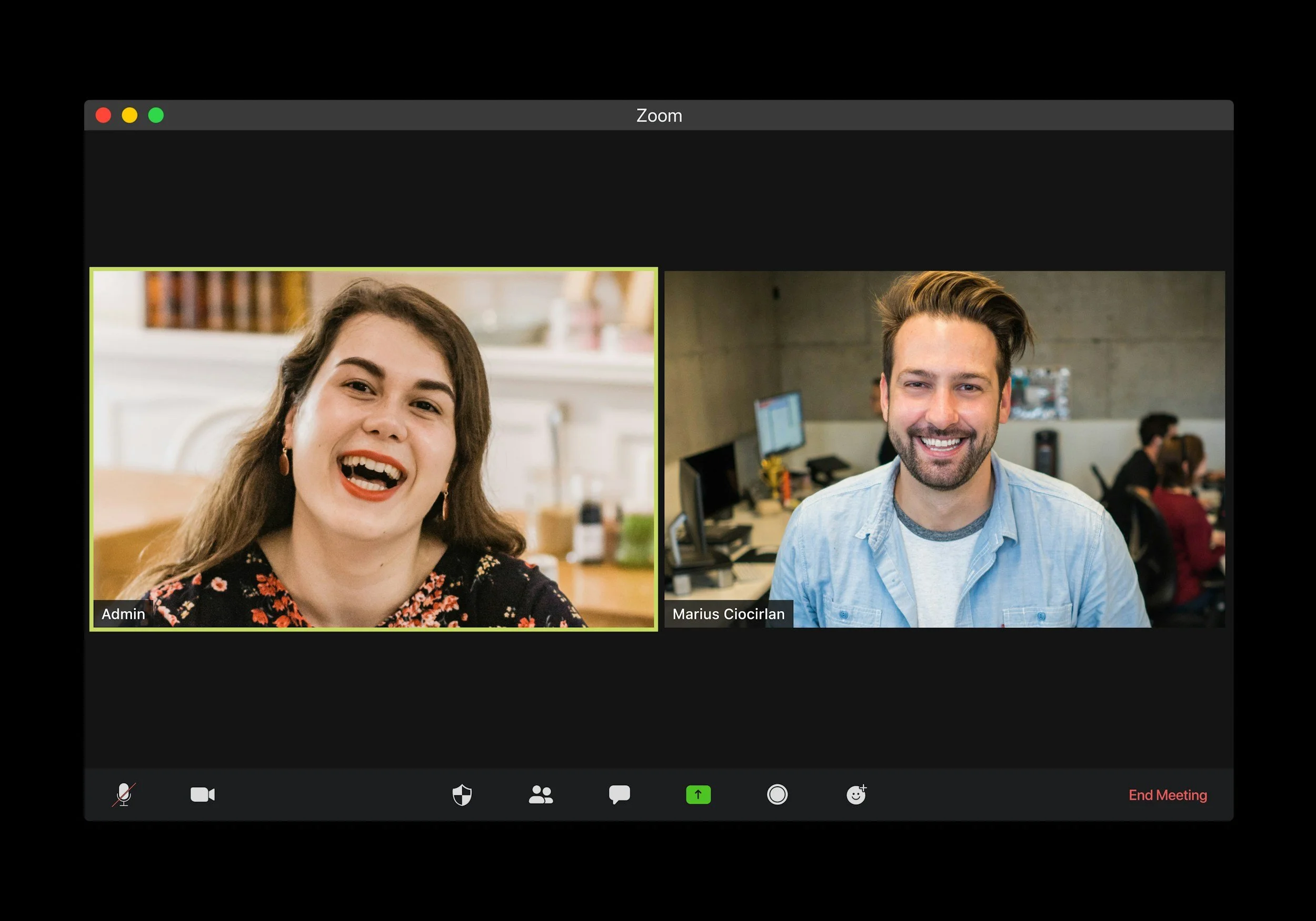
Students attend weekly live classes via Zoom.
Every Wednesday
4 - 6 PM PST / 7 - 9 PM ET
Classes are moderated by InnerTrek faculty and led by lead, adjunct, and esteemed guest educators.
Bi-Weekly Skills Practice Group
Students participate in biweekly live skills practice groups via Zoom, led by Lead Educators and designed to support peer-to-peer skill development.
Every other Tuesday
4 - 5 PM PST / 7 - 8 PM ET

Bi-Weekly Home Group
Students participate in live home group sessions via Zoom for 90 min every other week. These small, consistent groups are led by a dedicated educator and provide a space for both personal and professional integration of the material.
Through self-reflection, group dialogue, and experiential skills practice, students deepen their learning within a supportive community context.
Students select home group times. Each home group has 7-10 students and 1 educator.
Practicum (Experiential Training)
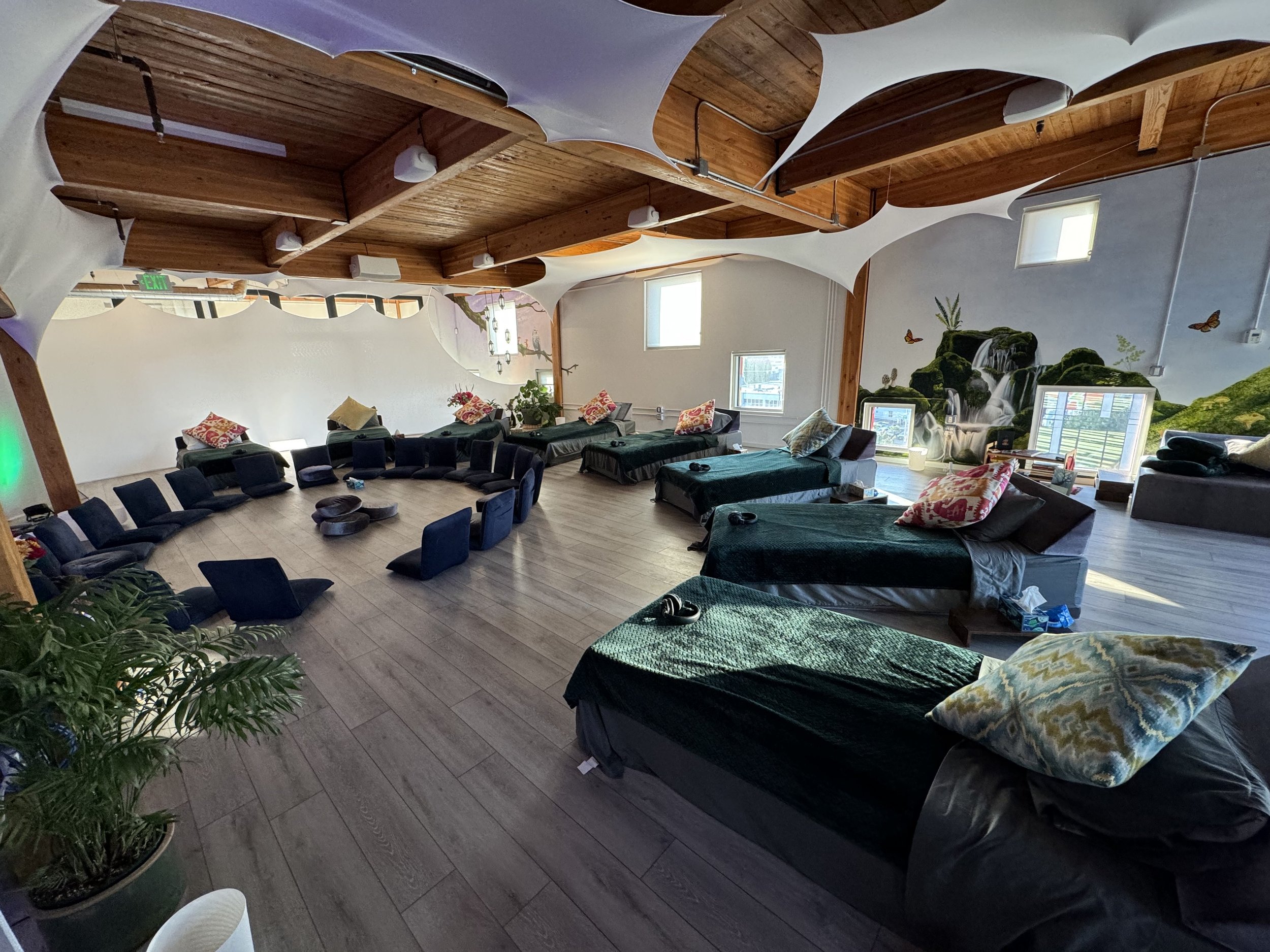
Students complete two supervised practicums. Practicum phase 1 occurs around the mid-point of the program. Practicum phase 2 occurs after the completion of the didactic program.
20+ hours each
40 hours total
This meets the supervised practicum requirements for both Oregon and Colorado licensure pathways.
Practicums take place in Portland, Oregon or Golden, Colorado.
During practicum, students:
Support participants through psilocybin journeys
Experience a facilitated psilocybin journey (pending health screening)
Practice facilitation skills under supervision
Work within a regulated, licensed model


Program Dates
The next cohort will begin in Sept 2027 and end in April 2028
2027 & 2028 dates and times subject to change
Online Classes:
All classes are Wednesdays 4-6pm PT / 7-9pm ET
September 8
September 15
September 22
September 29
October 6
October 13
October 20
October 27
November 3
November 10
November 17
December 1
December 8
December 15
(WINTER BREAK)
January 5
January 12
January 19
January 26
February 2
February 9
February 16
February 23
March 1
March 8
March 15
March 22
March 29
April 5
April 12
(live attendance required, recordings available
for those who need to miss one here or there)
In-Person Intensives:
2027 & 2028 dates and times subject to change
January 2028 - Intensive 1
“Preparation” Portland, OR
February 2028 - Intensive 2
“Medicine Administration” Portland, OR
March 2028 - Intensive 3
“Integration” Portland, OR
(lecture content recorded & made available for virtual students)
_____
Home Groups:
2x a month (14 total) (held online, attendance required)
Students will be able to select their top 3 times, and will be matched before Sept 9
Home groups begin the week of September 8
and meet every other week for 90 minutes.
2027 & 2028 dates and times subject to change
Mondays
4–5:30 pm PT (7–8:30 pm ET)
6–7:30 pm PT (9–10:30 pm ET)
Tuesdays
9–10:30 am PT (12–1:30 pm ET)
12–1:30 pm PT (3–4:30 pm ET)
4–5:30 pm PT (7–8:30 pm ET)
Wednesdays
9–10:30 am PT (12–1:30 pm ET)
12–1:30 pm PT (3–4:30 pm ET)
2–3:30 pm PT (5–6:30 pm ET)
Thursdays
2–3:30 pm PT (5–6:30 pm ET)
4–5:30 pm PT (7–8:30 pm ET)
Virtual Skills Groups:
2027 & 2028 dates and times subject to change
Starting Tuesday, September 14
Every other Tuesday 4-5pm PT / 7-8pm ET
(optional but recommended)
Office Hours with InnerTrek’s Director of Education
Mondays from 2:30-3:30pm PT / 6-7pm ET every week
(optional, as needed, date/time subject to change)
Practicum Dates:
Students will select 2, 3-day weekends in Golden, CO & Portland, OR*
40 practicum hours are required for licensure
DORA training license is required to participate in CO practicums
Dates/Locations subject to change
PHASE 1
TBA
PHASE 2
TBA
We encourage early application for priority considerations.

Curriculum
InnerTrek’s curriculum is competency-focused while weaving together a multi-faceted narrative.
InnerTrek’s program curriculum consists of 7 sections:
-
Students will be able to:
Describe the historical and current role of plant medicines in various wisdom traditions and identify key differences and shared principles across cultures
Demonstrate an understanding of the cultural impact of psychedelics in the West
Demonstrate an understanding of the basic pharmacology and neuroscience of psilocybin and other psychedelics
Understand key milestones in science and research relating to the ongoing development of psychedelic use as an adjunct to therapy over the last 65 years
Comprehend relevant ideas and theories relating to consciousness, personal transformation, and the psychedelic experience
Demonstrate a capacity and commitment to facilitate from an embodied, grounded, supportive presence
Develop core communication skills necessary to render psilocybin and psychedelic services in a participant-centered manner
Define problematic facilitator dispositions and interactions and explain how each can interfere with one’s work as a facilitator
Develop and practice flexible self-care systems that support the physical, mental, relational, spiritual, and emotional capacities necessary to do this work
Understand considerations when working with diverse populations
-
Students will be able to:
Develop skills to strengthen rapport and alliance with participants
Facilitate and review required intake forms with participants and conduct an effective information gathering intake interview
Conduct a preparation session that includes screening, applying scope of practice, safety planning, and appropriate expectation setting
Assess a participant’s readiness for psychedelic services and make final determinations regarding a participant’s goodness of fit
Orient a participant regarding what to expect from the service sequence and the psychedelic experience itself, while providing helpful advice
Understand and learn to establish a facilitator’s role, responsibilities, and authority with participants
Describe and discuss various dosing strategies and considerations
Evaluate participants with an understanding of drug and supplement interactions with psychedelics
-
Students will be able to:
Adapt facilitation practices to meet the needs of diverse populations
Understand the effects of psilocybin and other psychedelics on specific mental health populations
Convey the current findings of research into psychedelics in relation to specific client populations
Apply knowledge and skills attuned to the unique needs of persons with terminal illness
Apply knowledge and skill attuned to models of substance use, addiction, and recovery
-
Students will be able to:
Demonstrate an understanding of what is required to facilitate a smooth entry into a psychedelic experience
Demonstrate facilitation skills necessary to effectively facilitate a safe psychedelic experience
Demonstrate an understanding of skills, processes, and criteria involved in completing a psychedelic experience and session
“Hold space” for a variety of participant experiences
Work effectively with psychological distress and challenging behaviors
Implement protocols for responding to emergencies
Employ nondirective communication skills
Implement appropriate modes of intervention and know when not to intervene
Recognize and address adverse behavioral reactions and adverse medical reactions
Identify, describe, and internalize facilitator characteristics and skills related to effectively working with challenging experiences and behaviors during session
Identify and respond appropriately to forms of psychological distress common to the psychedelic experience
Identify and respond appropriately to difficult or challenging behaviors that can arise during a psychedelic session
Identify and work with repressed trauma rising to the surface of consciousness
Identify and respond appropriately to medical emergencies
-
Students will be able to:
Describe what integration is, the goals of the integration phase and its importance to healing, as well as communicate guidelines for an effective integration experience
Demonstrate skills that help participants integrate their psychedelic experiences into their daily lives
Understand various facilitator approaches and techniques relating to integration
Assess the impact of integration and when to recommend additional support
Identify safety concerns during integration
-
Students will be able to:
Apply skills to assess client compatibility with group format
Develop a group container and incorporate group considerations during intake process
Establish group agreements including confidentiality and safety
Demonstrate a capacity to orient participants effectively within a group-based orientation session
Understand and demonstrate essential skills involved in facilitating a small group ceremony
Demonstrate an understanding of how to conduct integration in a group format
-
Students will be able to:
Demonstrate an awareness of the important ethical issues related to being a psychedelic facilitator and a commitment to living / implementing core values
Demonstrate an understanding of the ethical dimensions around working across diverse social locations and cultures
Provide services with an awareness of racial justice and systemic inequity in the delivery of healthcare, mental healthcare, and behavioral health services
Develop a strategy to take responsibility for professional development, leadership presence, and impact on others
Demonstrate a detailed understanding of related laws, regulations, and professional standards as they pertain to the rights and ongoing professional obligations of licensed facilitators
Develop responsible referral and support systems
Develop a strategy for being an active agent of transformation, grounded in the emerging research of the field

InnerTrek Lead Educator Tal Sharabi
leading a Home Group.
Tuition
InnerTrek’s Level 2 program is designed to offer accessible online training, with optional in-person intensives and a practicum component. Together these elements allow students to deepen their experiential learning and fulfill licensure requirements.
2027 & 2028 pricing subject to change
Core Program
Virtual Training: $6,700
Includes:
Weekly live online classes
Asynchronous learning modules
Bi-weekly home group meetings
Bi-weekly skills practice group
Guest lectures and faculty-led sessions
In-Person Add-Ons
Students may choose to participate in in-person components based on their goals:
In-Person Intensives: $600 per weekend (2 day trainings)
(Attend 1, 2, or all 3 weekends in Portland, OR)Practicum: $2,600
(Includes two 3-day supervised practicums required for licensure)Limited on-site lodging for Jan, Feb and March In-Person intensives is available to add on. You must register for an intensive to receive the link to book a room. These are available on a first come first serve basis.
Common Pathways
Virtual Only: $6,700
Virtual + Practicum (OR & CO Licensure Pathway): $9,300
Full Experience, Licensure Pathway (Virtual + 3 Intensives + Practicum): $10,900 (save $200)
Deposit
A $1,000 deposit is required to reserve your place in the program and is applied toward your total tuition.
Students who have completed the Spring 2026 Level 1 and are accepted into Level 2 may apply their Level 1 coursework as their deposit.)
Payment Options
Students may choose to:
Pay in Full
Payment plans can be set up to be paid over 3, 5,or 7 months.
Students who are accepted and enroll earlier in the process may get priority on payment plan options available.

Students setting their intentions during the first day of InnerTrek’s program